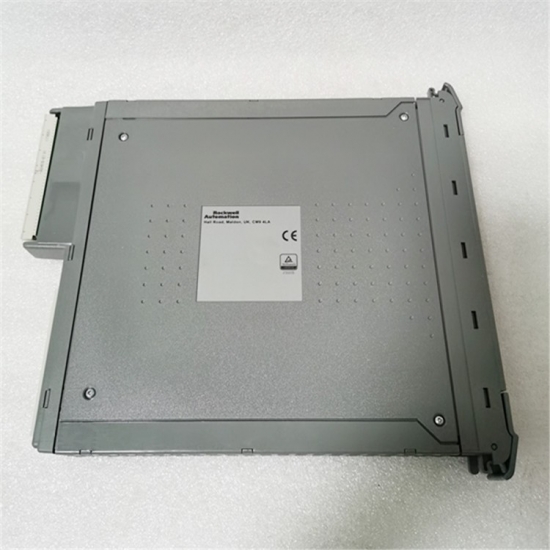
How Triple Modular Redundancy Improves Industrial Safety
Triple Modular Redundancy is considered one of the most reliable safety architectures in industrial automation. In an ICS Trusted TMR Module, three processors execute the same program simultaneously. A voting mechanism checks outputs in real time. If one processor produces a different result due to hardware failure, electrical noise, or environmental stress, the other two outvote it. This approach prevents unsafe actions and eliminates single points of failure. Compared to single or dual systems, TMR dramatically reduces the probability of dangerous failure and helps organizations meet strict functional safety standards without compromising productivity.
Key Features of an ICS Trusted TMR Module
An ICS Trusted TMR Module is designed with reliability at its core. It typically includes independent power supplies, fault-tolerant communication paths, and continuous self-diagnostics. Hot-swappable modules allow maintenance without shutting down the system, which is critical in 24/7 operations. Advanced diagnostics provide real-time health monitoring, helping engineers detect issues before they escalate. Many modules also support safety-certified input and output channels, ensuring accurate data processing from field devices. These features together create a robust safety layer that protects people, assets, and the environment.
Applications in Critical Industrial Environments
ICS Trusted TMR Modules are commonly deployed in industries where downtime or failure can cause severe consequences. In oil and gas facilities, they manage emergency shutdown systems and fire and gas detection. In power plants, they help control turbines and boilers under strict safety constraints. Chemical and pharmaceutical industries rely on TMR modules to manage hazardous reactions and maintain precise process control. Large manufacturers use them to protect high-value equipment and ensure worker safety. Global automation leaders such as Schneider Electric and Rockwell Automation integrate TMR-based safety concepts into advanced control platforms to support these demanding applications.
Compliance with International Safety Standards
One major advantage of an ICS Trusted TMR Module is its alignment with international functional safety standards. These modules are commonly designed to comply with IEC 61508 and IEC 61511 requirements, supporting Safety Integrity Levels (SIL) up to SIL 3. Compliance ensures that the system has been rigorously tested and validated for use in high-risk environments. Auditors and regulators often prefer TMR-based systems because they provide clear evidence of risk reduction. By using certified modules, organizations can simplify safety assessments and demonstrate due diligence in their safety strategies.
Integration with Modern ICS and DCS Architectures
Modern industrial environments demand seamless integration between safety systems and control systems. An ICS Trusted TMR Module is typically designed to work alongside Distributed Control Systems (DCS) and SCADA platforms without compromising security or performance. Secure communication protocols and network segmentation help maintain cybersecurity while allowing data sharing for monitoring and optimization. Vendors such as Honeywell and Siemens offer architectures where TMR safety systems coexist with advanced process control, enabling operators to gain full visibility without risking safety integrity.
Benefits of Using an ICS Trusted TMR Module
The benefits of an ICS Trusted TMR Module extend beyond safety alone. High availability reduces unplanned downtime and associated financial losses. Fault tolerance minimizes maintenance emergencies and extends equipment life. Predictive diagnostics lower operational risk and maintenance costs. Most importantly, TMR modules build confidence among operators, management, and regulators by ensuring that critical processes remain under control even during component failures. For organizations operating in high-risk industries, investing in a Trusted TMR Module is not just a technical decision—it is a strategic commitment to safety, reliability, and long-term operational excellence.
Future Trends in TMR-Based Industrial Safety
As industrial systems become more digital and connected, ICS Trusted TMR Modules are evolving as well. Future designs are focusing on enhanced diagnostics, better cybersecurity integration, and improved scalability. Vendors are incorporating analytics and condition monitoring to predict failures even earlier. There is also a growing emphasis on modular designs that can be expanded as plants grow. With increasing regulatory pressure and higher expectations for uptime, TMR-based safety systems will continue to play a critical role in the future of industrial automation.